There, conversations with organizers about European opportunities
sparked her interest, leading her to an Italian volunteering
program with "CSV Lombardia," a non-profit that helps people find
volunteer opportunities and advises on establishing NGOs.
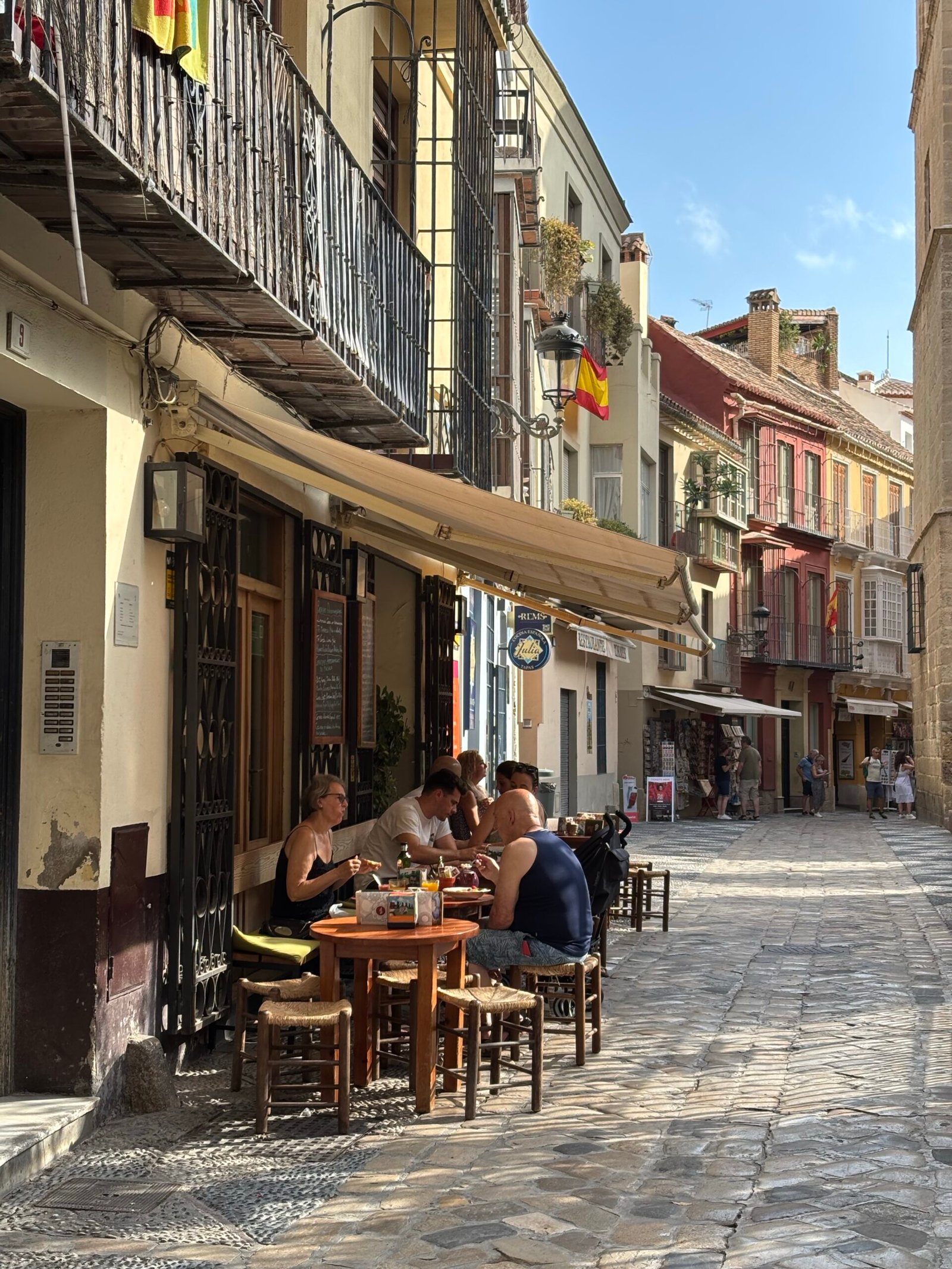
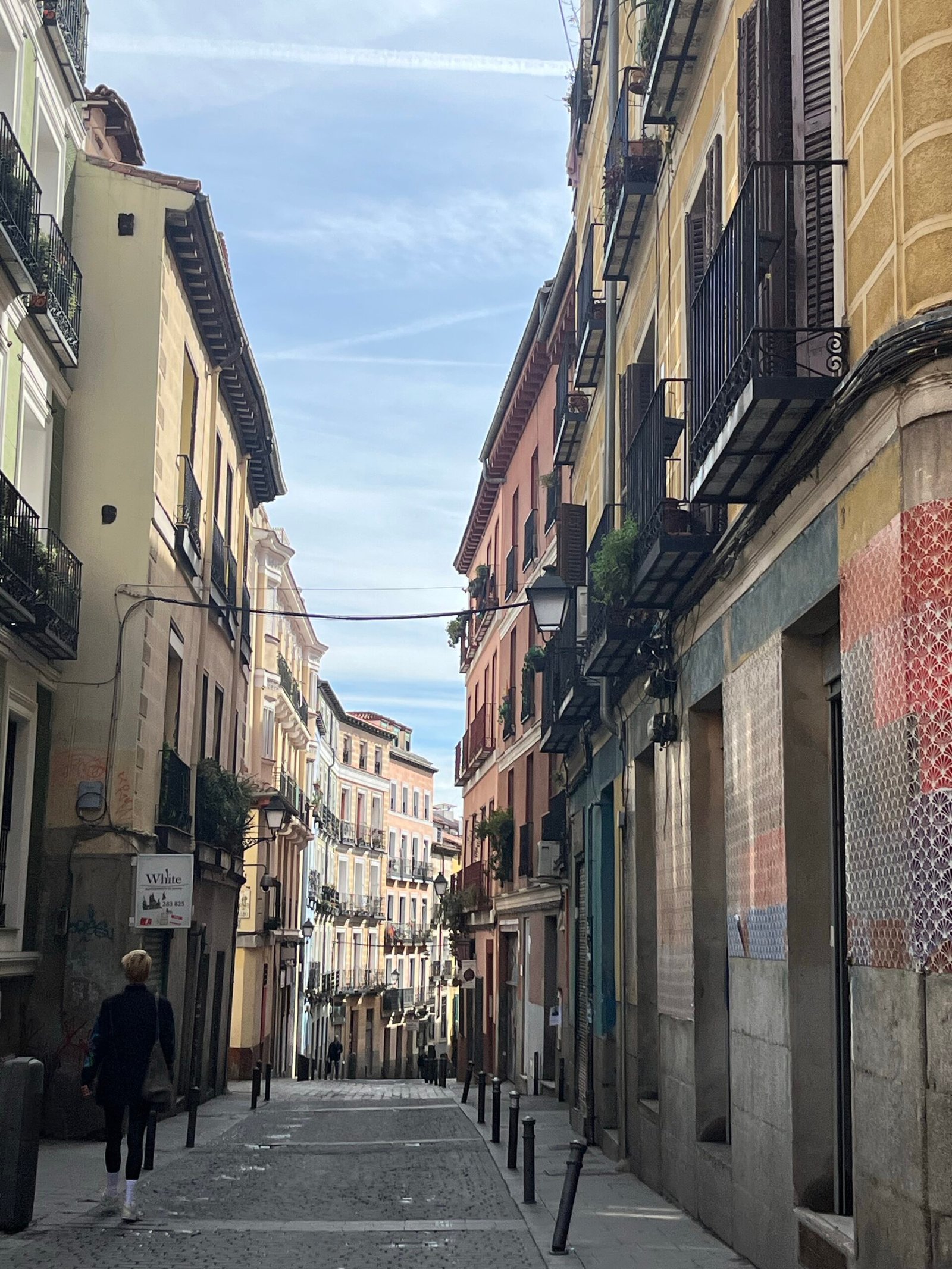
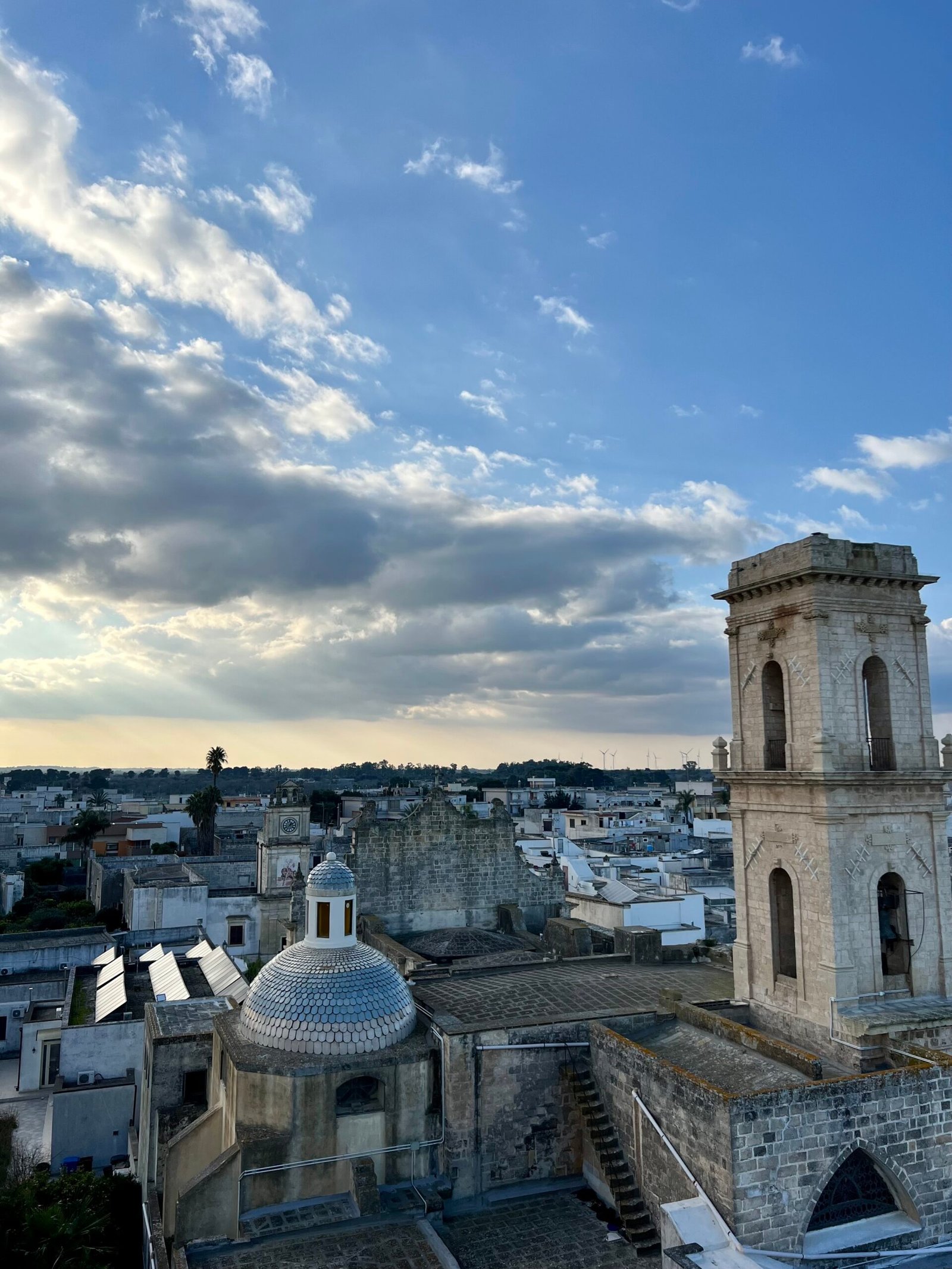
Her host city, Cremona, with only 80,000 residents, surprised her
with its vibrancy and initiative. "Concerts on Monday nights, so
many initiatives!" she exclaims. She noticed Italians actively
foster connections, embodying the local saying, "nothing will
happen if we don't create it." The activeness of the elderly,
frequenting bars and participating in initiatives, particularly
impressed her.
Miglė, like many graduates, was uncertain about her
post-Bachelor's path. Spending six months in another country,
trying herself in a different environment, felt like a perfect
opportunity. She admitted initial fears of monotonous work, but
the Italian staff understood the temporary nature of volunteering
and encouraged her to try diverse tasks.
Her first impressions were excellent, partly due to a prior
positive Erasmus+ experience in Padua. The warmth and openness of
her colleagues stood out. Her mentor invited her to dinner with
friends on her very first evening. "It surprised me how easily
Italians communicate and accept a complete stranger."
Challenges arose with daily meetings conducted in Italian; by
day's end, she understood but struggled to respond verbally. A
surprising cultural discovery was seeing Italians wear shoes
indoors, a minor shock. Yet, the team's constant support and
willingness to "fuss over her" was a welcome revelation. "They
constantly reminded me that I could ask questions, gave
recommendations on how to approach certain tasks."
Miglė's Wisdom for You: "Changing your environment changes so
much in your life. If everything is slipping through your
fingers, sometimes you just need to change your environment, and
many problems will solve themselves." She's a true advocate for
Erasmus+ and encourages anyone undecided about their future, or
those without extensive financial resources, to seize these
opportunities.
"To truly know a country, you need to meet its people and immerse
yourself in its culture, which is why these long-term projects
are the best way to travel." Her practical advice: "Ask as many
questions as possible during interviews – where exactly you'll
go, what you'll do. Don't be afraid to ask to modify the project;
organizers are often open to changes." And for those struggling
to get in, "don't be afraid to write personally, sometimes that's
the only way you get a response."