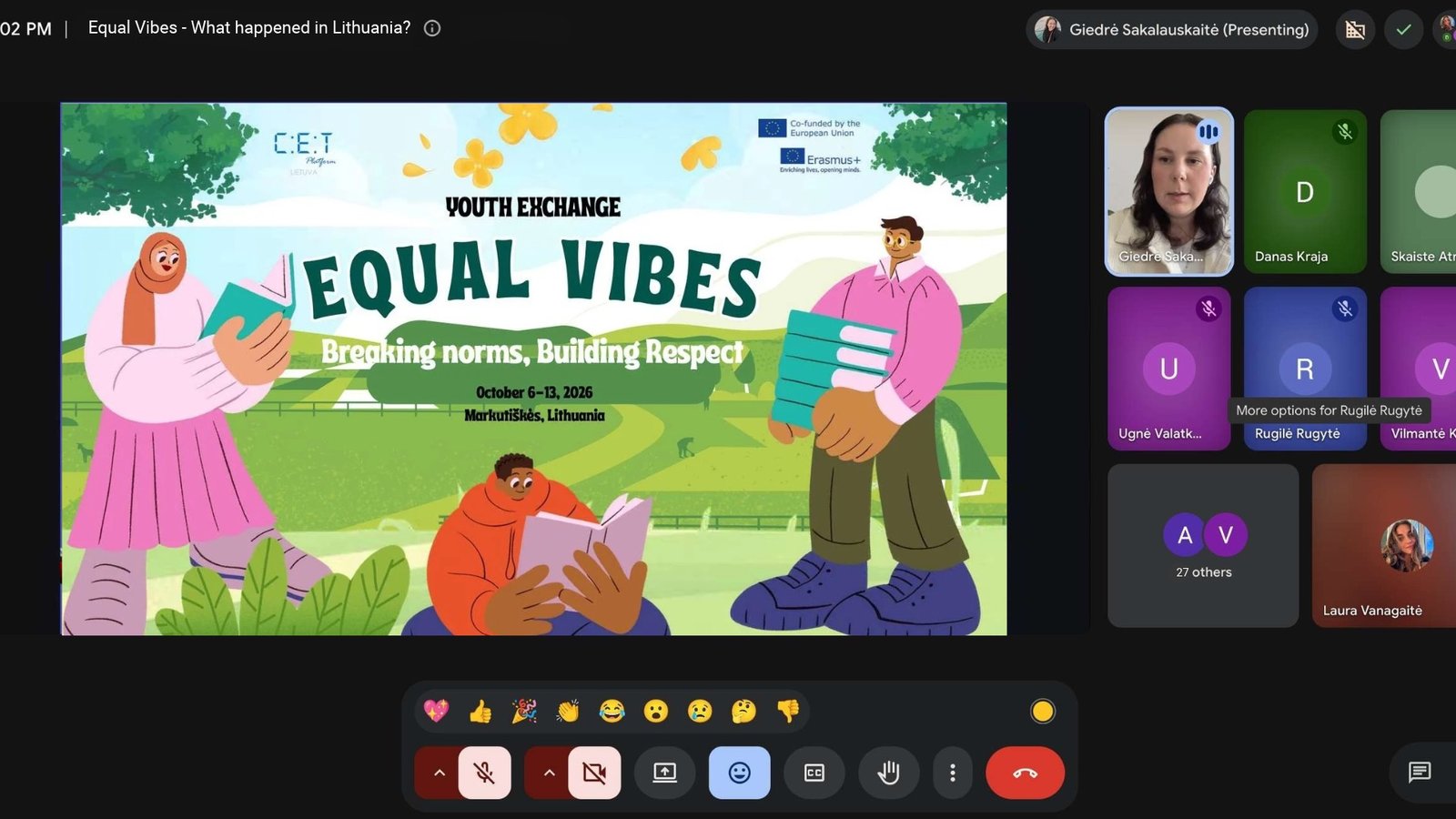
Gender expectations shape how we study, work, build relationships and express ourselves online. Equal Vibes brings young people from Lithuania, Latvia, Estonia and Poland together to question stereotypes, explore equality and practise respectful communication. Through non-formal learning, intercultural exchange and youth-led creativity, the project supports young people in building fairer and more inclusive communities.
Project Overview
Equal Vibes is a youth-led project created in response to gender stereotypes, unequal expectations and discriminatory behaviour in everyday life. It provides a supportive space to understand where inequality comes from, reflect on its effects and practise constructive ways of responding.
The exchange is designed for 30 young people aged 18–25, with five participants from each partner country, supported by eight group leaders and two facilitators. The working language is English, with simple language, visual methods and peer support to make participation accessible.
The infopack brings together the programme overview, accommodation details, what to bring, emergency contacts, travel guidance and reimbursement steps.
Young people and youth workers across the four partner countries identified a shared need: more opportunities to talk openly about gender norms, social pressure and unequal treatment. These issues appear in schools, friendships, relationships, workplaces and digital spaces, yet young people often lack a supportive setting to explore them and practise how to respond.
The project grew from discussions and informal consultations with young people in the partners’ communities. Their experiences shaped an approach that connects gender equality with emotional awareness, boundaries, critical thinking and active citizenship. By comparing experiences across countries, participants can challenge assumptions and develop responses that reach beyond their own local context.
Our Objectives
💡
Understand Gender Equality
Build understanding of gender, stereotypes, discrimination and equality. The application targets at least 80% of participants improving their understanding and identifying at least three factors that sustain gender inequality.
🔎
Recognise Everyday Bias
Learn to identify gender bias in education, work, friendships, public spaces and online by analysing at least two real-life scenarios through group tasks and reflection.
💬
Respond With Respect
Strengthen respectful and non-violent communication, emotional awareness and boundary-setting. The application targets at least 70% of participants developing practical tools to respond constructively to inequality.
🎨
Turn Learning Into Action
Co-create at least four youth-led outputs, such as posters, short videos, campaign ideas, community guidelines and contributions to an Equality Toolkit for local use.
🌍
Learn Across Cultures
Cooperate in mixed-nationality teams, exchange experiences and good practices, practise English and explore how equality is experienced across different cultural and social contexts.
Our Learning Programme
The application sets out six educational programme days within the mobility, organised around five connected learning blocks. The programme combines practical experiences with guided reflection and space for different ways of participating.
🤝
Build a Supportive Group
Team-building, shared group agreements, expectations and personal learning intentions create a respectful environment for discussing sensitive topics.
🧩
Explore Norms and Stereotypes
Interactive discussions, peer learning and experiential activities help participants examine gender roles, social expectations and the roots of inequality.
📱
Analyse Everyday Inequality
Case studies and media-based tasks explore bias in school, work, relationships, public spaces and online. Participants compare situations and perspectives across countries.
🎭
Practise Constructive Responses
Role play and forum theatre offer space to explore respectful communication, emotional awareness, boundaries and peer support through realistic situations.
🛠️
Create Youth Led Materials
Creative labs turn ideas into awareness materials, short videos, posters, guidelines and elements of the shared Equality Toolkit, followed by presentations and planning for local action.
Before During and After the Exchange
🧳
Preparation
National meetings and online coordination cover intercultural learning, basic topic vocabulary, travel arrangements, health insurance, practical expectations and safety. Participants receive an infopack and prepare their contribution to intercultural activities.
🫶
Support During the Exchange
Group leaders and facilitators provide daily check-ins, inclusive activities and individual support. Mid-term feedback helps the team adapt the learning flow, group dynamics and practical arrangements.
🌱
Follow Up and Youthpass
Participants receive support to describe their learning through Youthpass and use the shared materials in local activities. National groups stay connected with their organisations and peers to share learning beyond the mobility.
Project Partners
Four organisations combine local youth work experience with complementary skills in human rights, education, anti-discrimination and participation.
Partner logo
CET Platform Lithuania
Lithuania
Coordinator and host. Project management, human rights education, safeguarding, inclusion and non-formal facilitation.
Partner logo
Instytut Przeciwdziałania Wykluczeniom
Poland
Anti-discrimination and gender equality expertise, sensitive discussion, social inclusion and psychological perspectives on inequality.
Partner logo
MTÜ Innova Estonia
Estonia
Critical thinking, reflective learning, educational project development and links with schools and youth learning environments.
Partner logo
A ja nu sanāk?
Latvia
Youth-led participation, communication and emotional skills, reflection and inclusion of young people from rural communities.
Project Results and Resources
Explore the practical resources and creative work developed through Equal Vibes, from the Equality Toolkit to short videos, images and memories from the exchange.
Equality Toolkit
Practical guidelines, real-life scenarios, short activities and campaign materials supporting conversations about equality, inclusion and respectful communication.
Key moments from the exchange and participants’ reflections on their learning and experiences.
Project aftermovie coming soon
Youth Created Materials
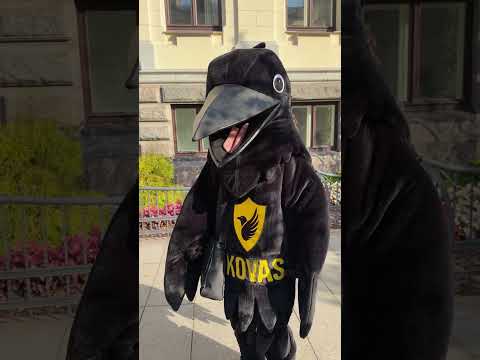
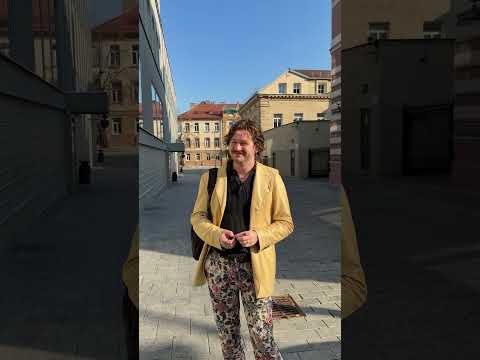
Street Interviews
Participants took their conversations beyond the exchange room and into the streets. Working in teams, they asked questions, listened to different perspectives and explored how people understand gender equality, stereotypes and respect in everyday life. Choose an interview below to watch each team’s contribution.
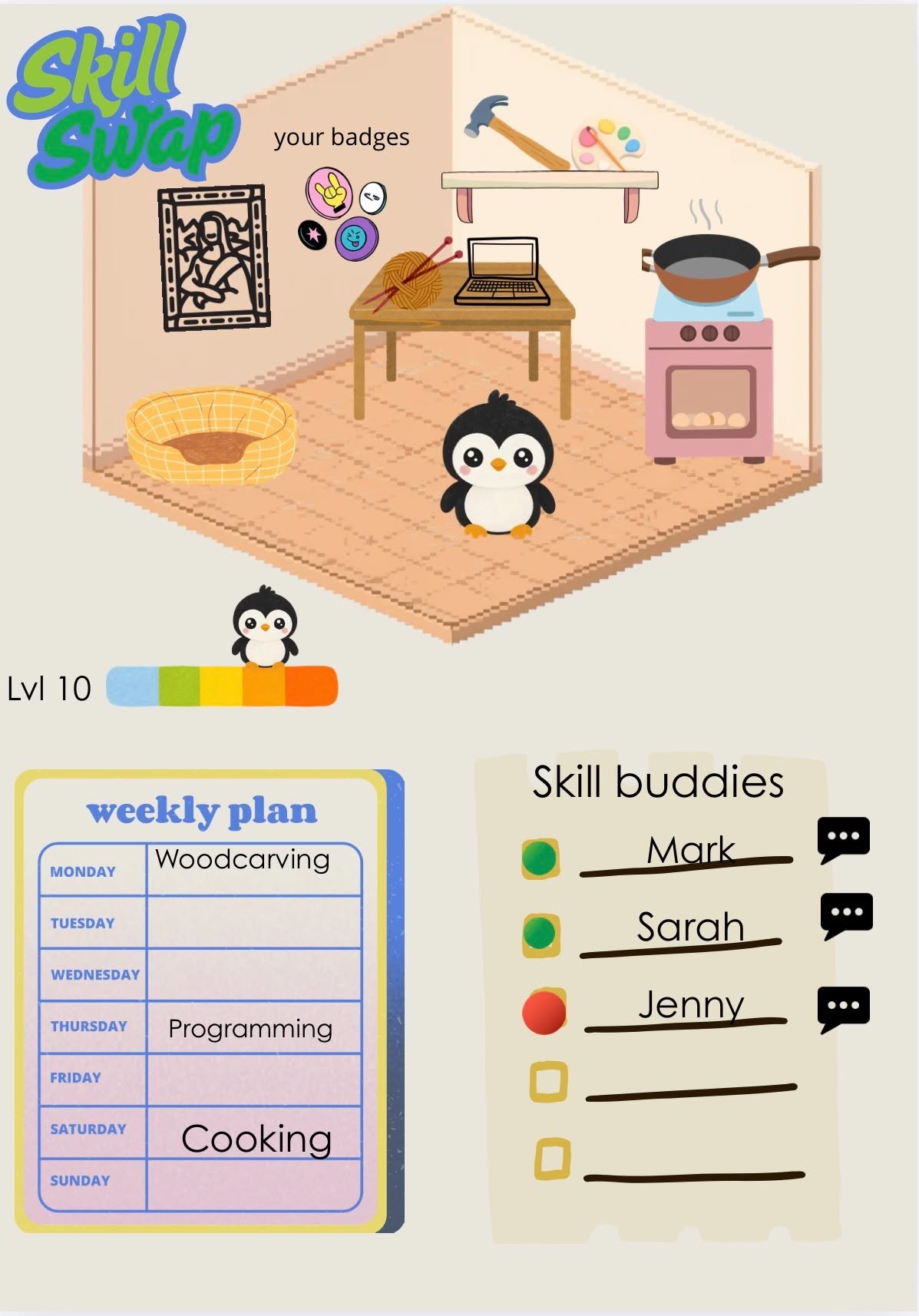
What could an app do to make everyday life more equal? During Equal Vibes, participants worked in teams to create app concepts that respond to real-life gender inequality problems. They turned the issues discussed during the exchange into ideas for practical tools, considering who might use them, what support they could offer and how technology could help challenge unequal treatment. Their pitches bring together creativity, teamwork and a desire to make a difference. Check out Biased, Pride Care, SkillSwap and Feel the Vibe below, and explore how each team imagined a response to these challenges. Scroll within the PDFs to see their presentations.
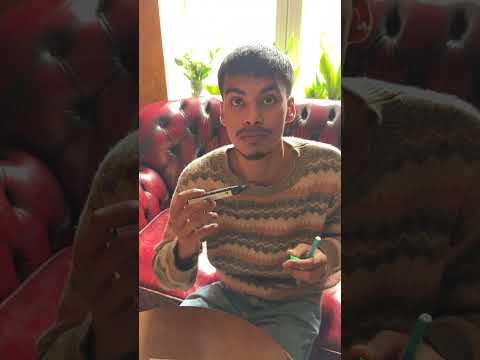
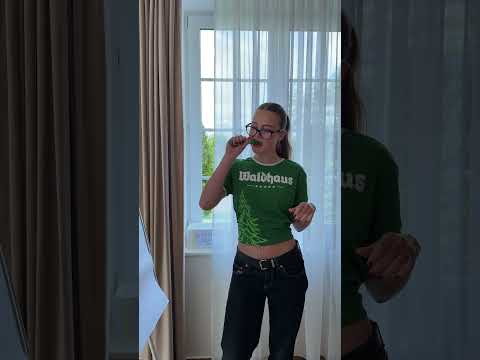
How does the same everyday object get advertised differently depending on its intended audience? During the Marketing Matrix activity, participants were split into groups and given a random object: water, a mug, a pen, a chair or tape. Each group created three separate advertisements for its object, centred on male, female and non-binary audiences. The challenge encouraged participants to notice how language, imagery and assumptions about gender can shape advertising, even when the product itself stays the same. Explore their creative responses in the playlist below.
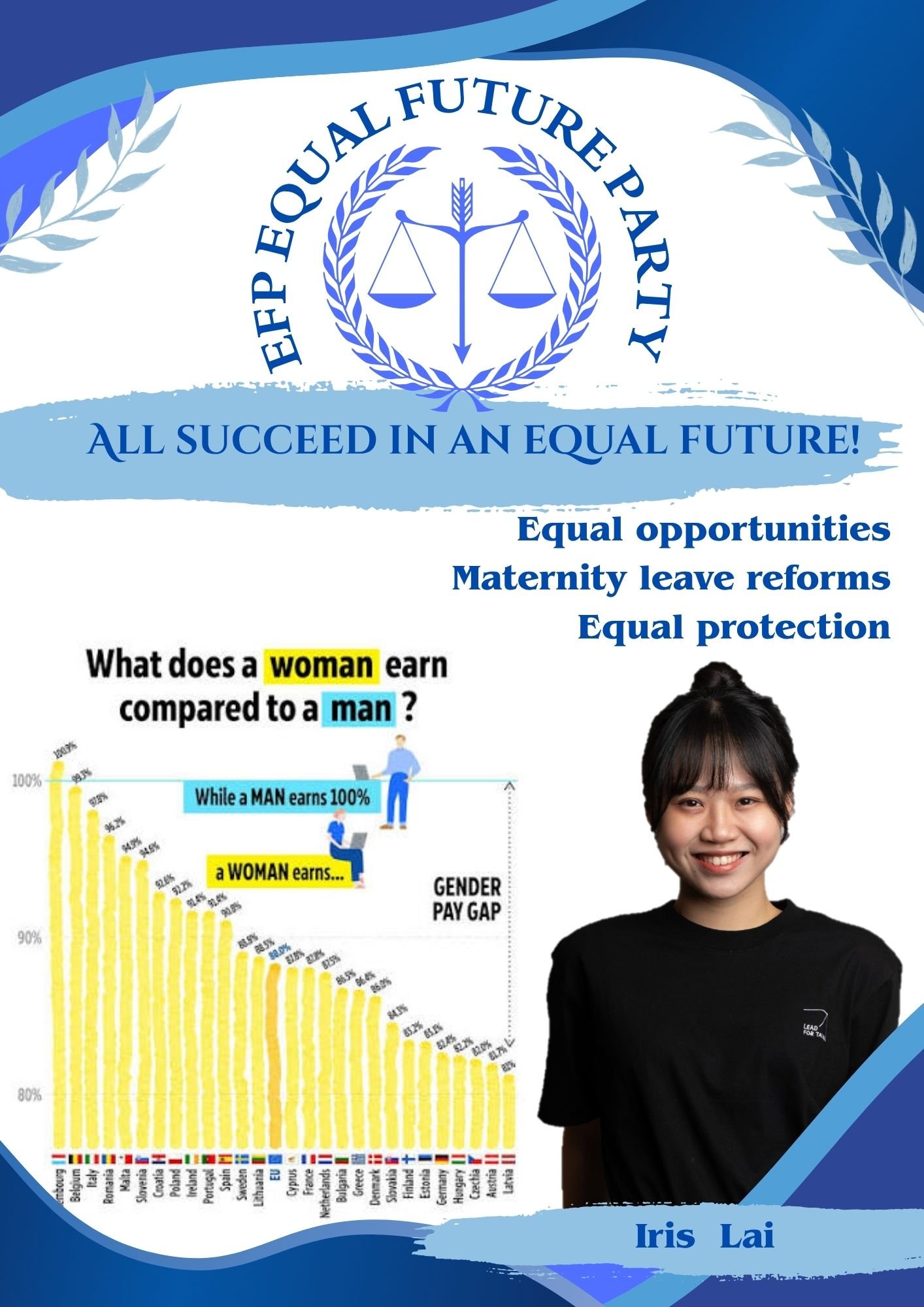
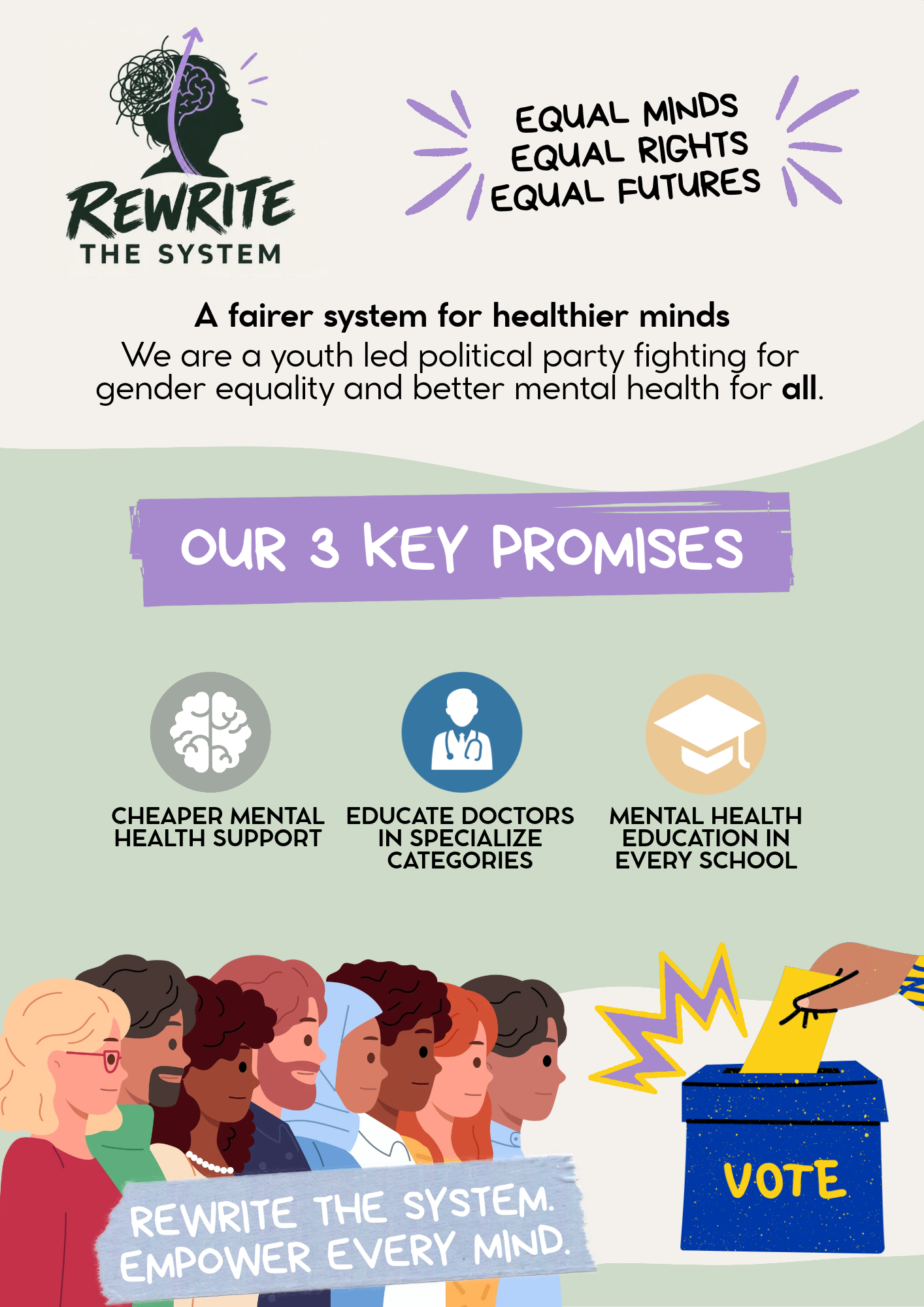
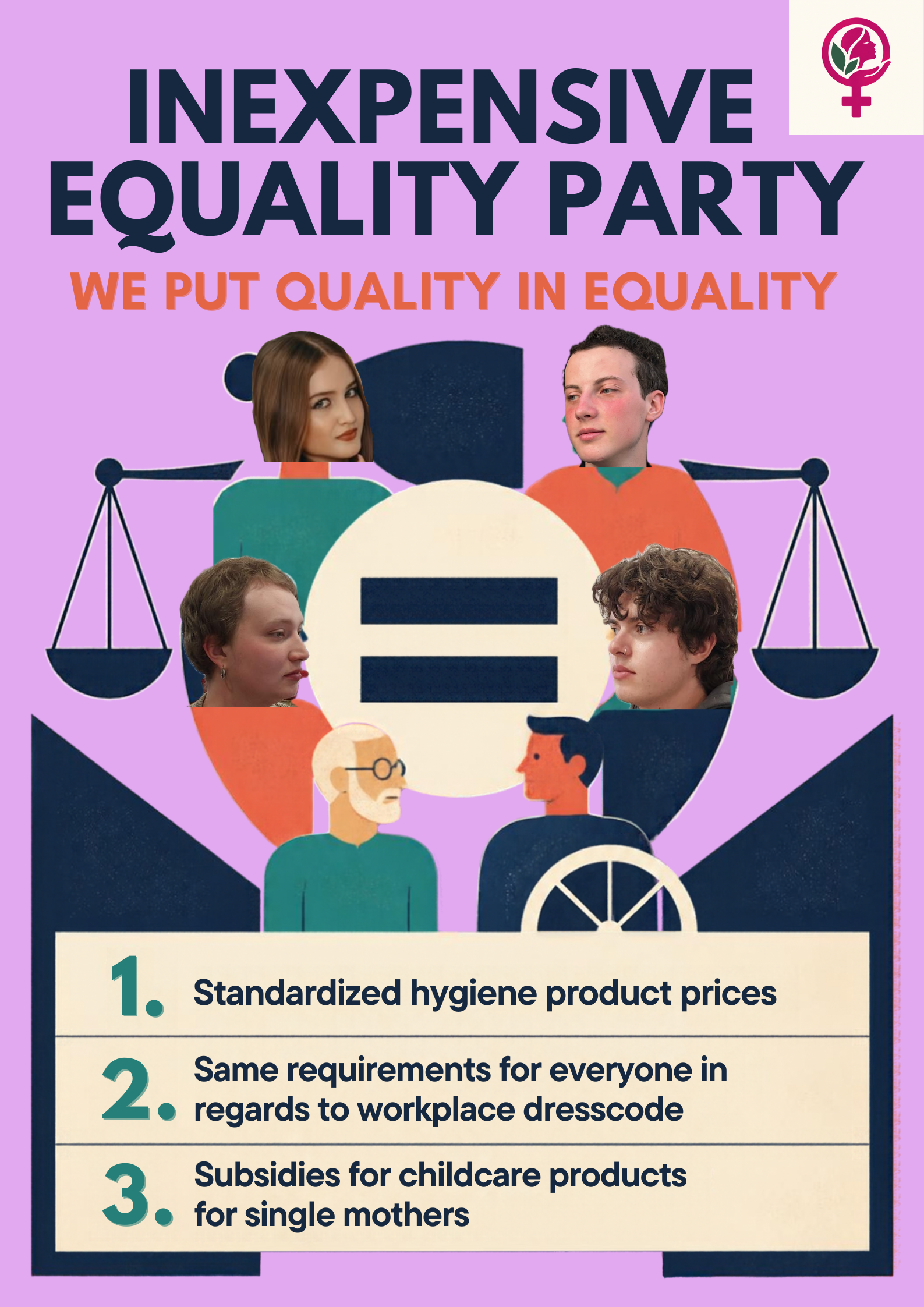
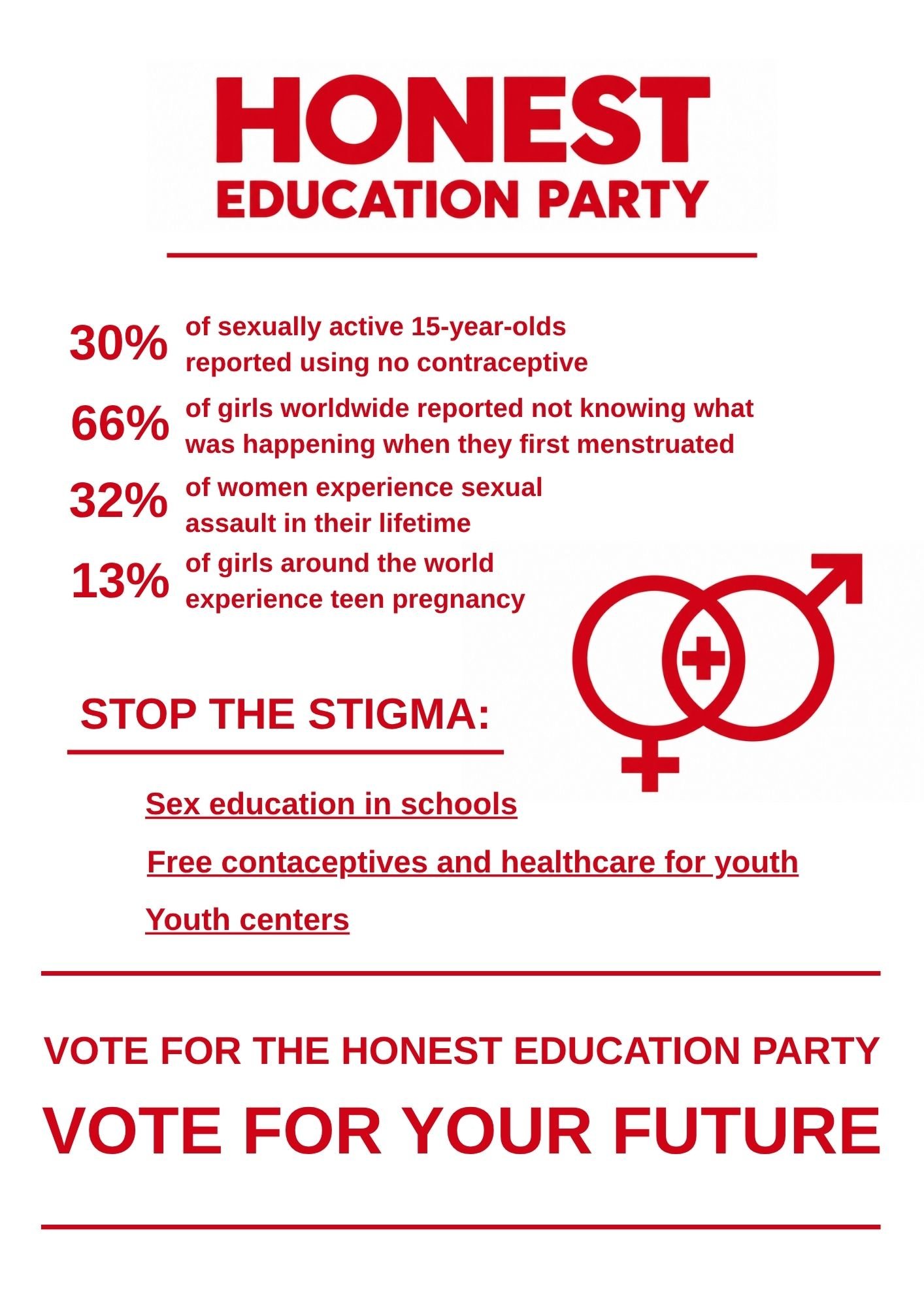
During the Mission Impossible challenge, participants created political parties focused on gender equality and developed posters and campaign videos to communicate their ideas. Explore each team’s poster alongside its campaign video below.
Each national group is expected to organise at least one local follow-up activity within three months of the exchange. These may include workshops, discussion circles, creative presentations, exhibitions or awareness actions in schools, youth centres, NGOs or community spaces. Each activity will be documented with a short summary, participant numbers and consented visual material.
Lithuania
CET Platform Lithuania
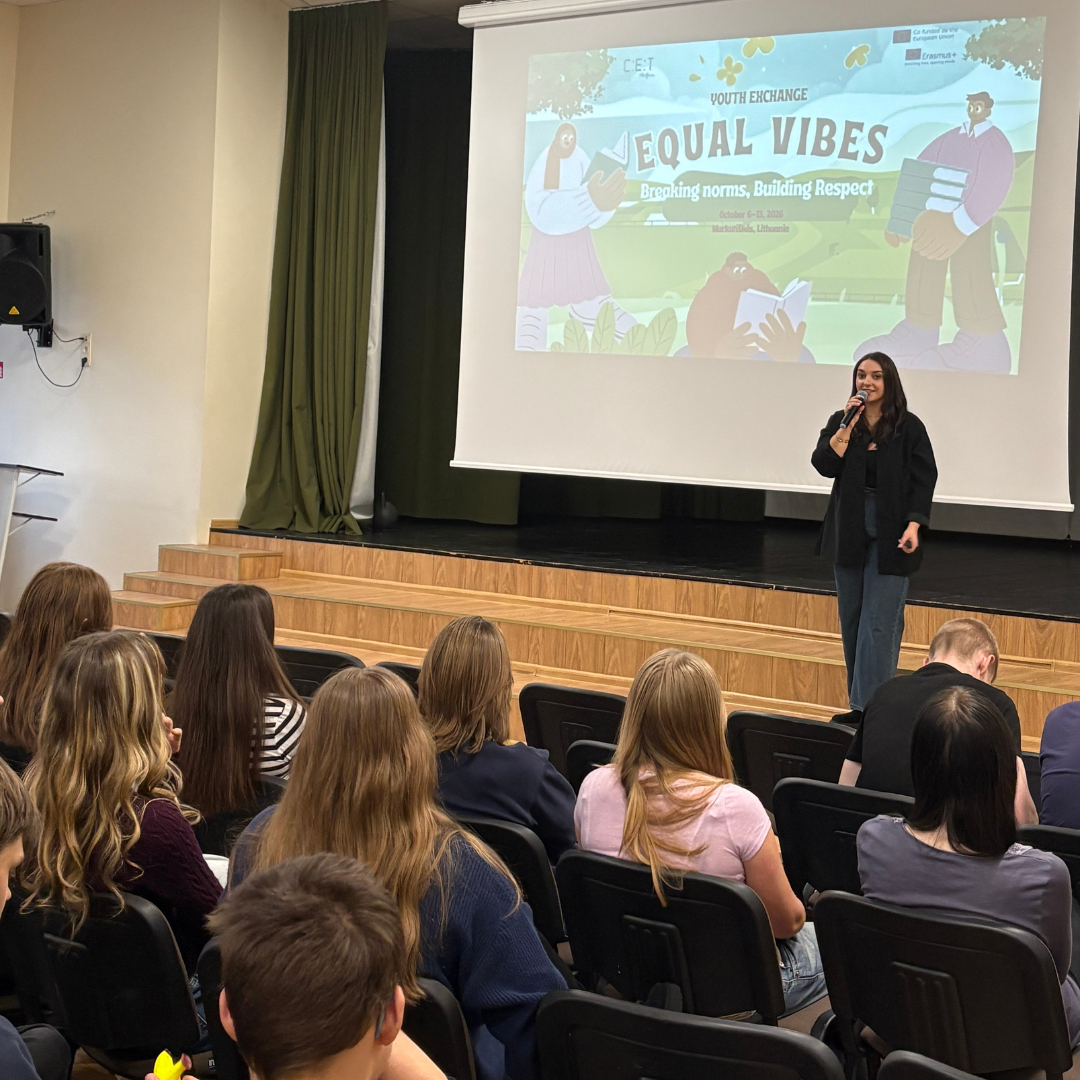
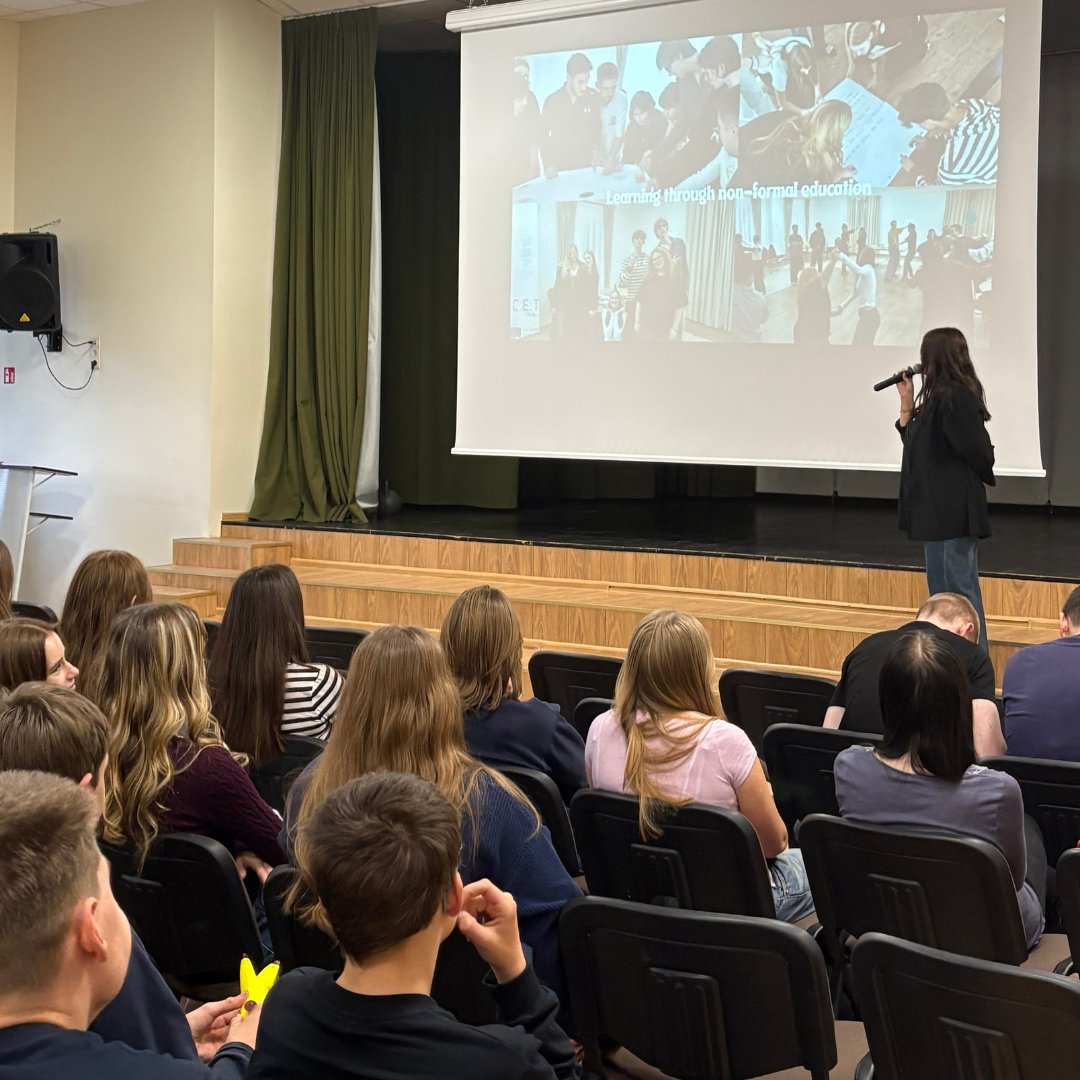
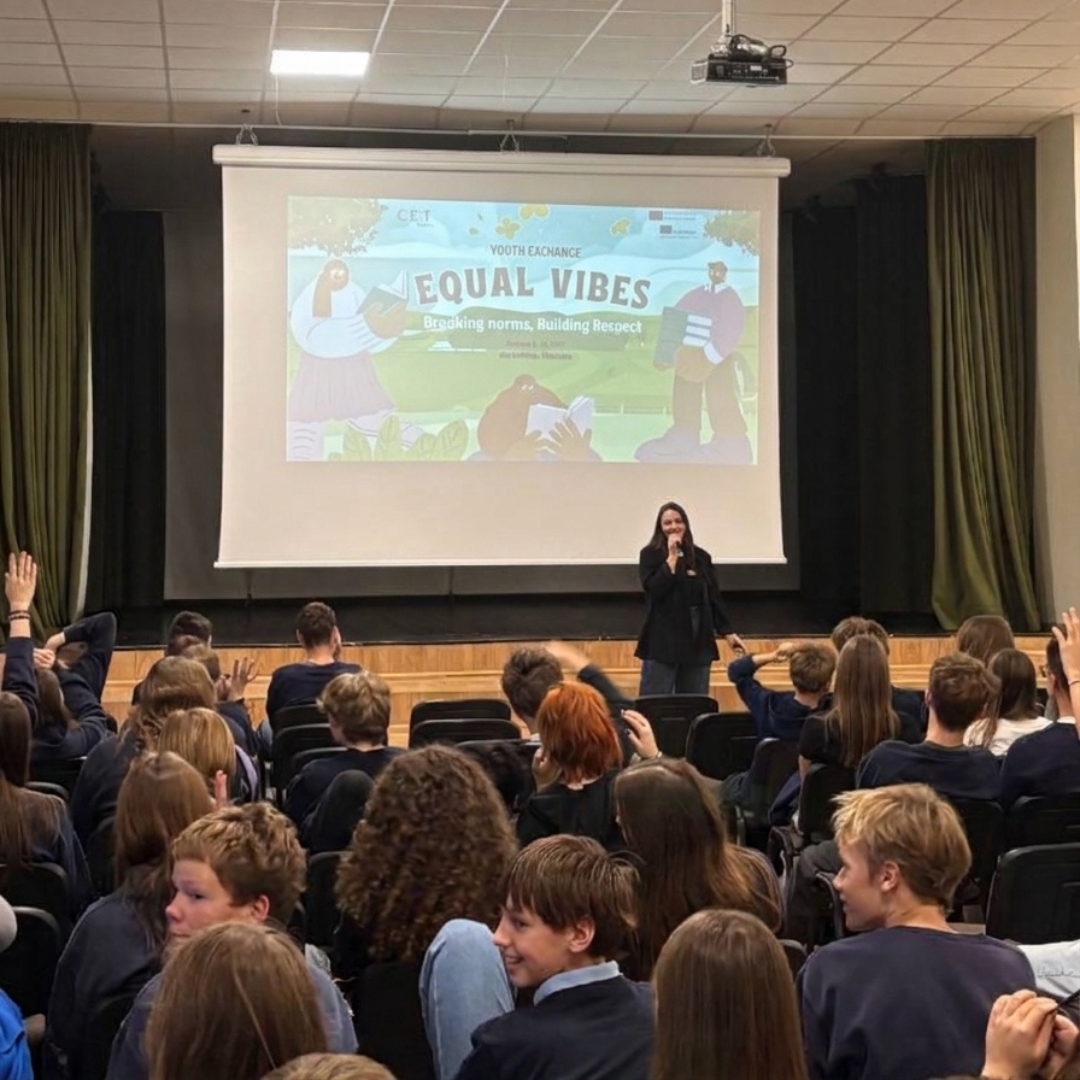
On November 9, 2026, CET Platform Lithuania held an Equal Vibes dissemination event at Vilnius Taikos Progimnazija, reaching over 100 participants who had never taken part in Erasmus+ activities. We introduced the project, shared experiences from our week together in Lithuania and presented its results, including the Equality Toolkit. The event gave these Erasmus+ newcomers an insight into international youth exchanges and the opportunities they offer for learning, meeting people from other countries and exploring topics such as gender equality and respect.
Latvia
A ja nu sanāk?
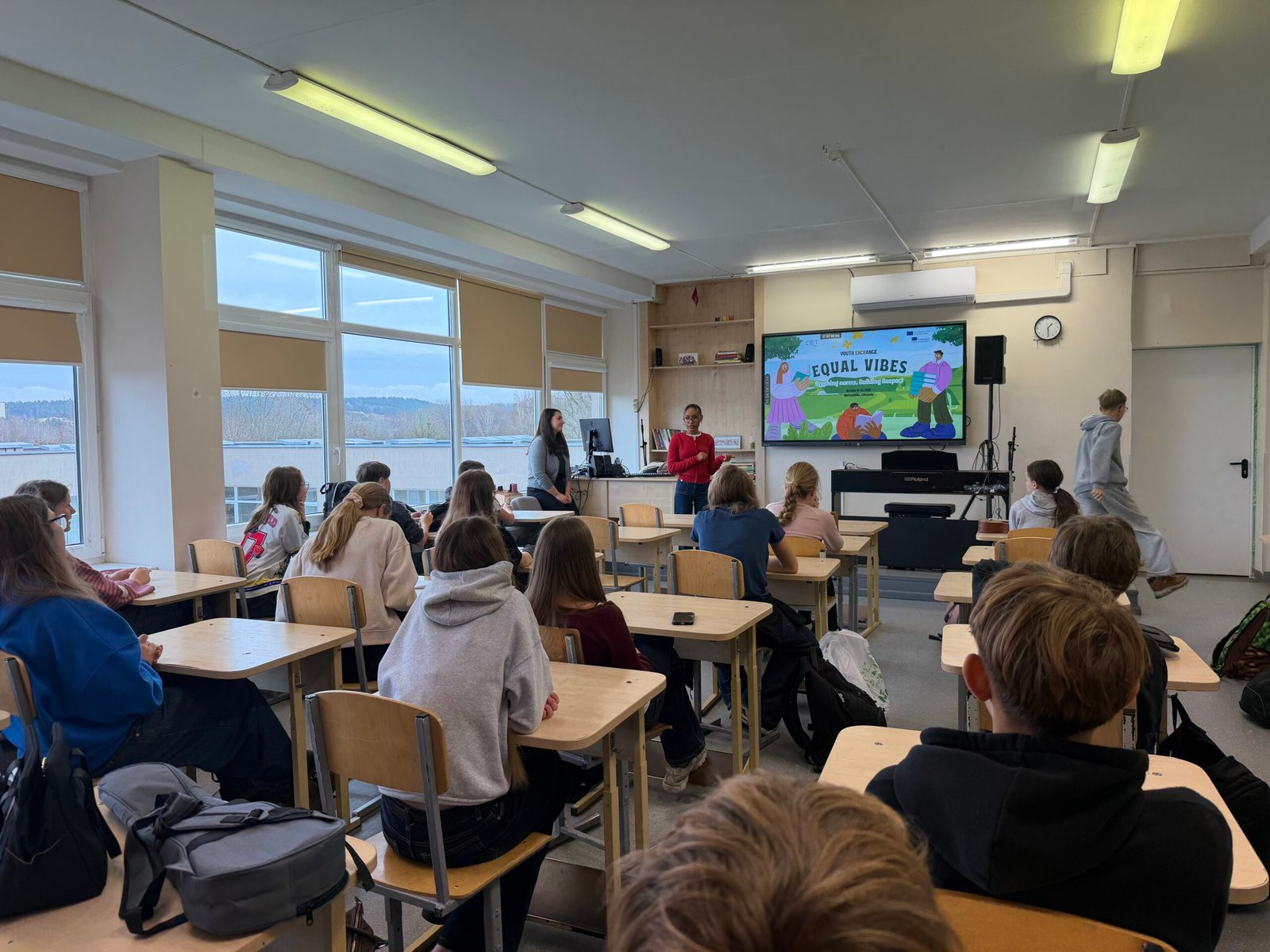
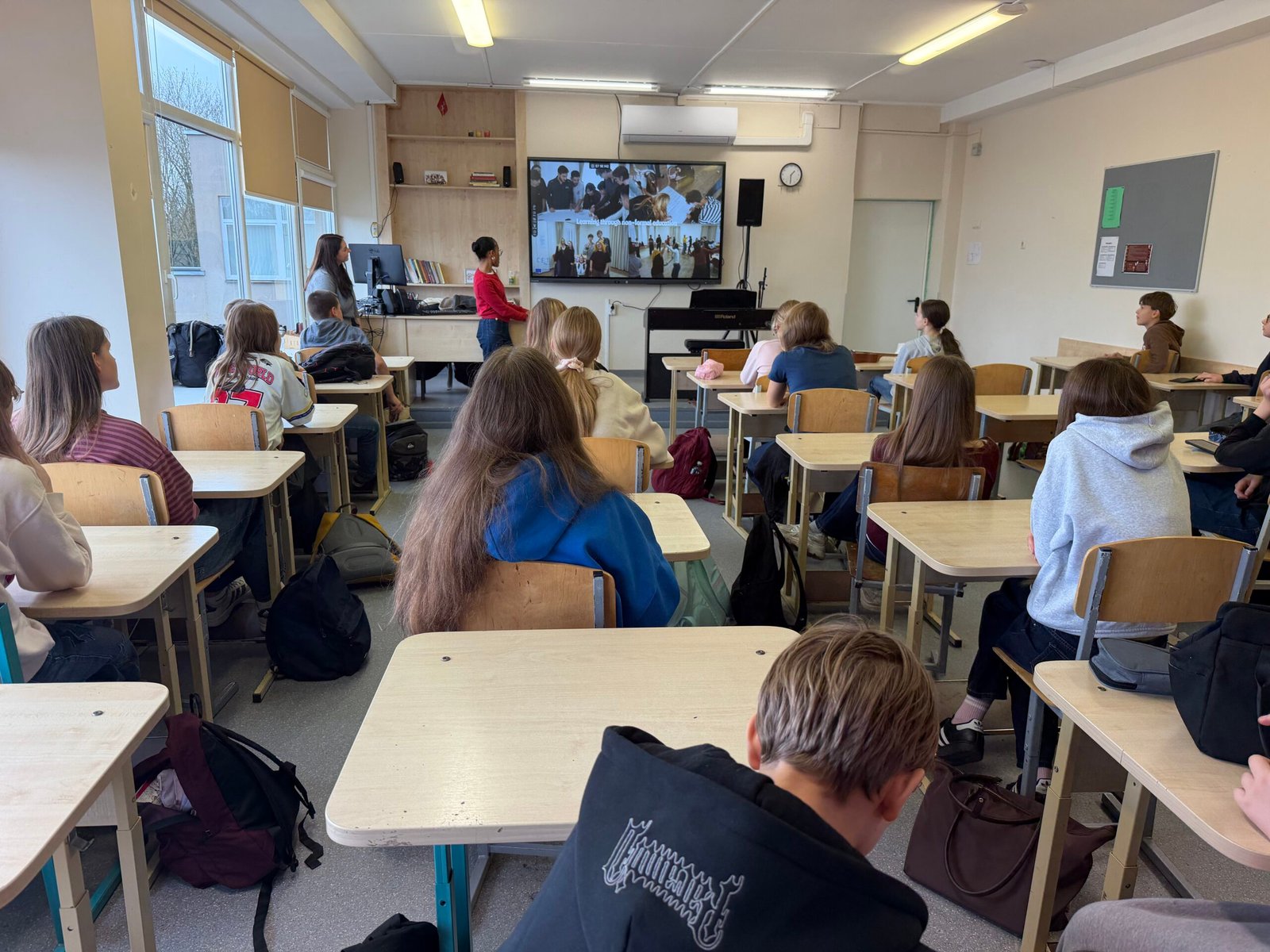
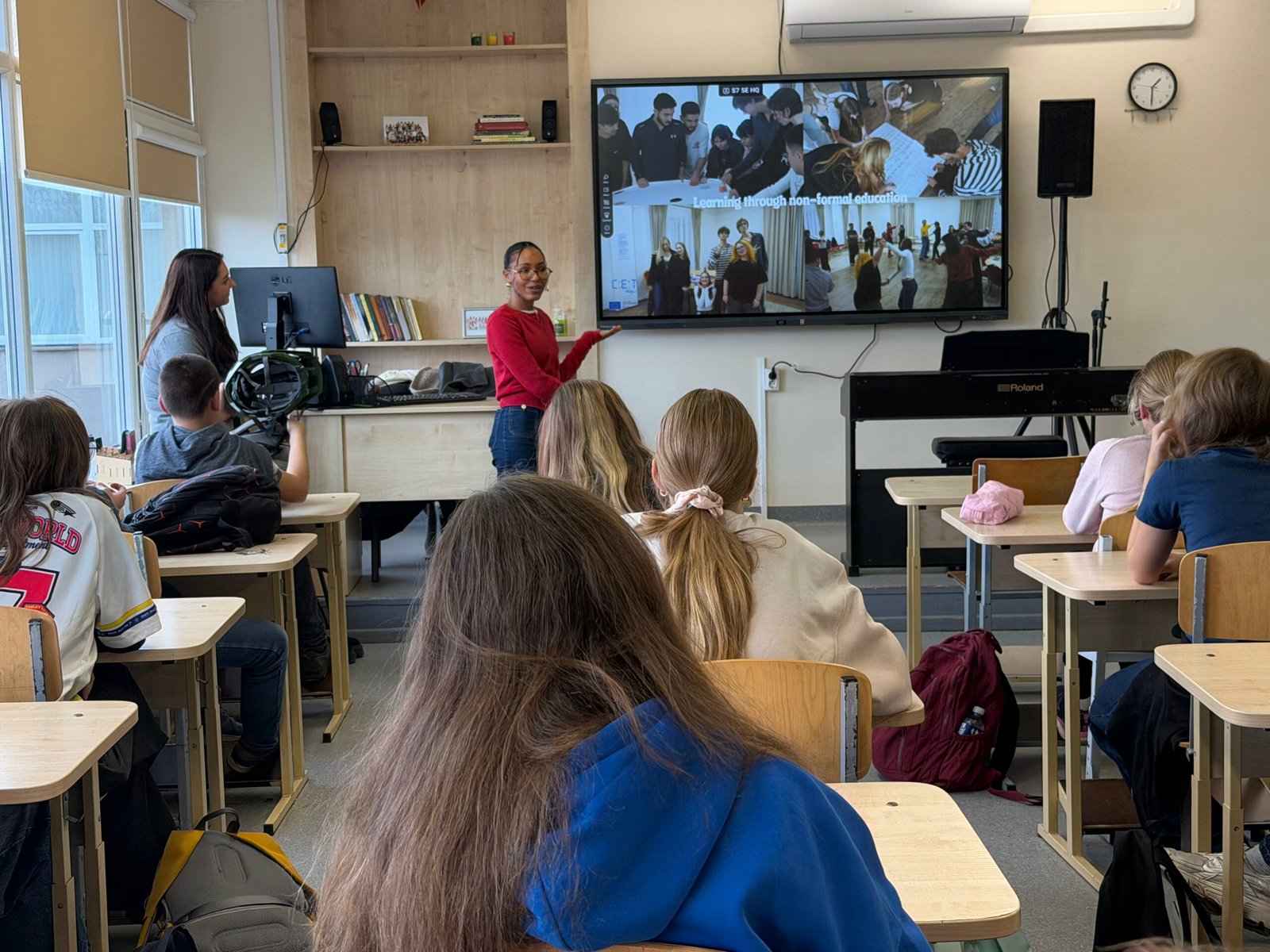
On November 13, 2026, the Latvian team visited Rīgas 13. vidusskola to share their experience of taking part in Equal Vibes in Lithuania. They presented the project and reflected on their time together during the youth exchange, bringing their international learning experience into a local school setting.
Estonia
MTÜ Innova Estonia
The national team’s local follow-up activity will use the Equality Toolkit and youth-created materials to share learning with other young people. Activity details and results will be published here.
Estonia follow-up photos coming soon
Poland
Instytut Przeciwdziałania Wykluczeniom
On October 29, 2026, the Polish team organised an online dissemination event to share the Equal Vibes experience beyond the youth exchange. The event introduced the project, explored its themes of gender equality, stereotypes and respect, and presented the results, including the Equality Toolkit. Meeting online created a space to share experiences, discuss what participants learned and introduce resources that others can use in their own communities.
Moments From Equal Vibes
The days of Equal Vibes were filled with creativity, teamwork, cultural exchange and meaningful conversations. Through hands-on workshops, group challenges and creative activities, participants explored gender equality, questioned stereotypes and shared their own perspectives in a supportive environment. Working together brought different experiences and ideas into the same space, encouraging participants to listen, reflect and learn from one another.
Beyond the workshops, informal conversations, intercultural activities and shared everyday moments helped turn a group of young people from four countries into a community. There was space for laughter, new friendships, thoughtful questions and conversations that continued long after a session ended. These photos capture the energy of our days together: creating, collaborating, discovering different cultures and building respect through shared experiences.